Clara Whitmore did not beg. When the woman at the merkantile counter slid her coins back across the wood and said, "We don't serve women like you here." Clara picked up every last scent, looked the woman dead in the eye, and walked out without a single word. She stood alone on the dirt street of Willow Creek, Colorado, with one suitcase, one letter, and not a single soul willing to speak her name with kindness. She was 28 years old and every person in that town had already decided she was nothing.
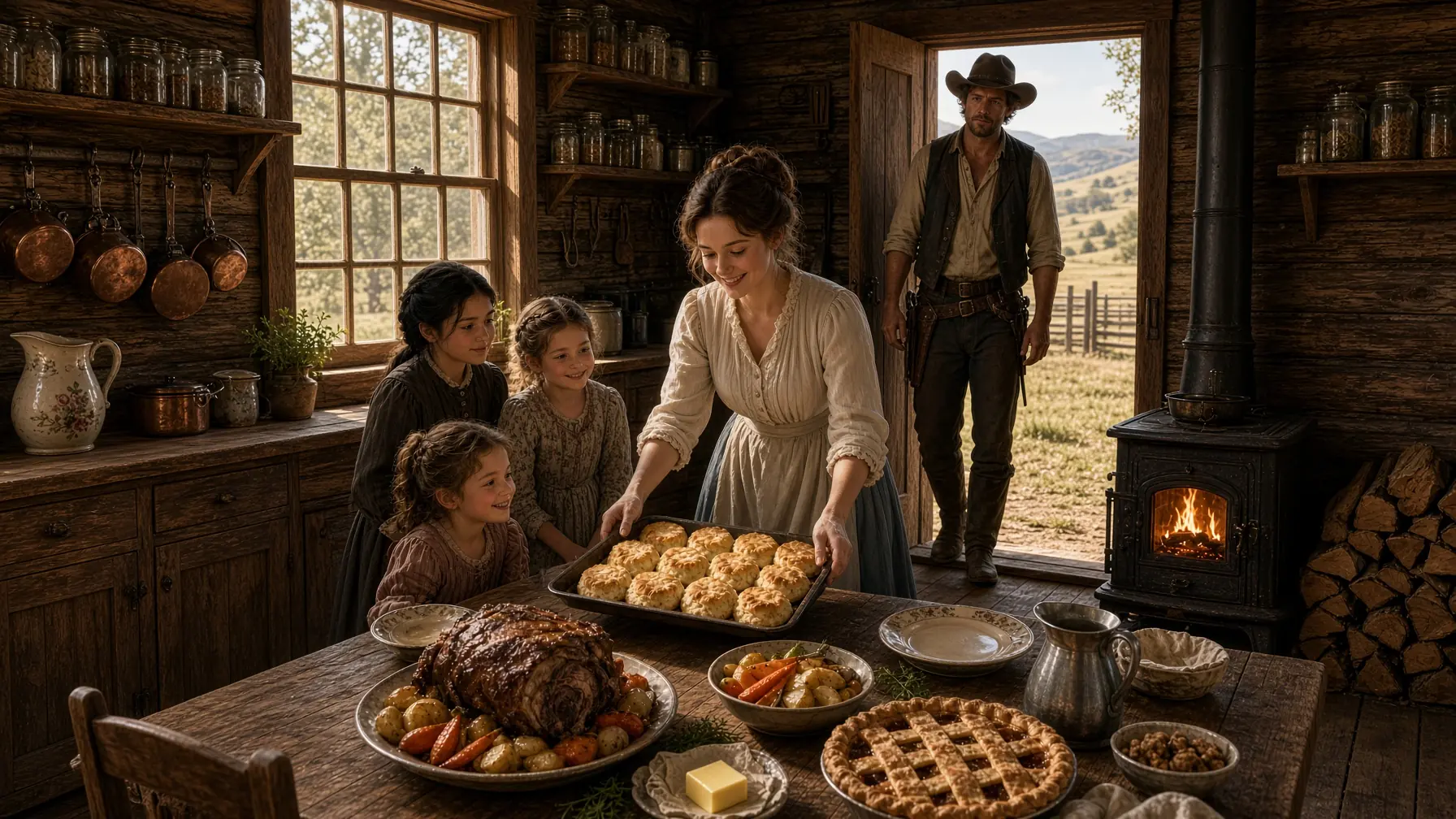
The letter had come 3 weeks earlier, folded twice and sealed with plain wax, addressed to a boarding house in Denver, where Clara Whitmore had been living on what remained of her dignity and her last $4. The handwriting was deliberate, careful the kind of penmanship a man uses when he is trying very hard not to sound desperate. Miss Whitmore, my name is Daniel Hayes. I operate a cattle ranch outside Willow Creek, Colorado. I have three daughters, 14, 10, and six.
I require a governness and housekeeper of good character and reasonable disposition. The position provides room board and a modest wage. If you are willing, I would ask that you come by the end of the month. I am not a man who asks for help easily. I would not be writing if I believed I had another choice.
Clara had read the letter four times, not because she was unsure. She had known by the second sentence that she would go. She read it four times because there was something in those last two lines that she recognized the way a person recognizes an old wound. Not with pain exactly, but with the particular ache of understanding. I am not a man who asks for help easily.
She knew what it cost a person to write those words. She had written something similar herself once in a letter she never sent. She packed her suitcase that same evening. The stage coach ride from Denver to Willow Creek took two days and covered country that grew wilder and more unforgiving the further west it pushed. The other passengers kept to themselves.
A merchant in a brown coat slept most of the journey. A young couple sat pressed together as though the cold would separate them if they let go. Clara sat by the window and watched the land change and tried not to think about what she was riding toward. She thought instead about what she was leaving behind. A town that had known her since childhood and decided in the last two years that it no longer recognized her.
A house that had belonged to her father and then to debt, a reputation assembled carefully over 28 years and dismantled in a matter of months by people who preferred a simple story to a complicated truth. The complicated truth was this. Her father, George Whitmore, had been a school teacher and a gentleman who began losing his mind in small pieces when Clara was 24. First the names went students, neighbors, eventually her own. Then the dates, then the ability to dress himself or remember whether he had eaten.
Clara had been his only child. There had been no money to hire help and no family willing to offer it. So she had done everything herself everyday for 4 years until the morning she found him quiet in his bed and understood that the long fight was finally finished. By then the house had been sold to pay medical debts. By then the town had developed its own version of what Clara Witmore was.
They said she had isolated her father. They said she had driven away anyone who might have helped. They said a woman who gave up four years of her life to care for a dying man must have had her reasons and those reasons were probably selfish. People who have never sacrificed anything find it difficult to believe that sacrifice can be genuine. It disturbs them.