The wind coming down off the high granite peaks of the Colorado Rockies in late 1886 carried the smell of snow long before the clouds turned gray. Jonah Crow rode into the county seat of Silverton with that scent filling his nose. His collar turned up against a biting chill that seemed to have followed him all the way from the Canadian border. He rode a bay geling that was more bone and grit than beauty. And Jonah himself looked much the same.
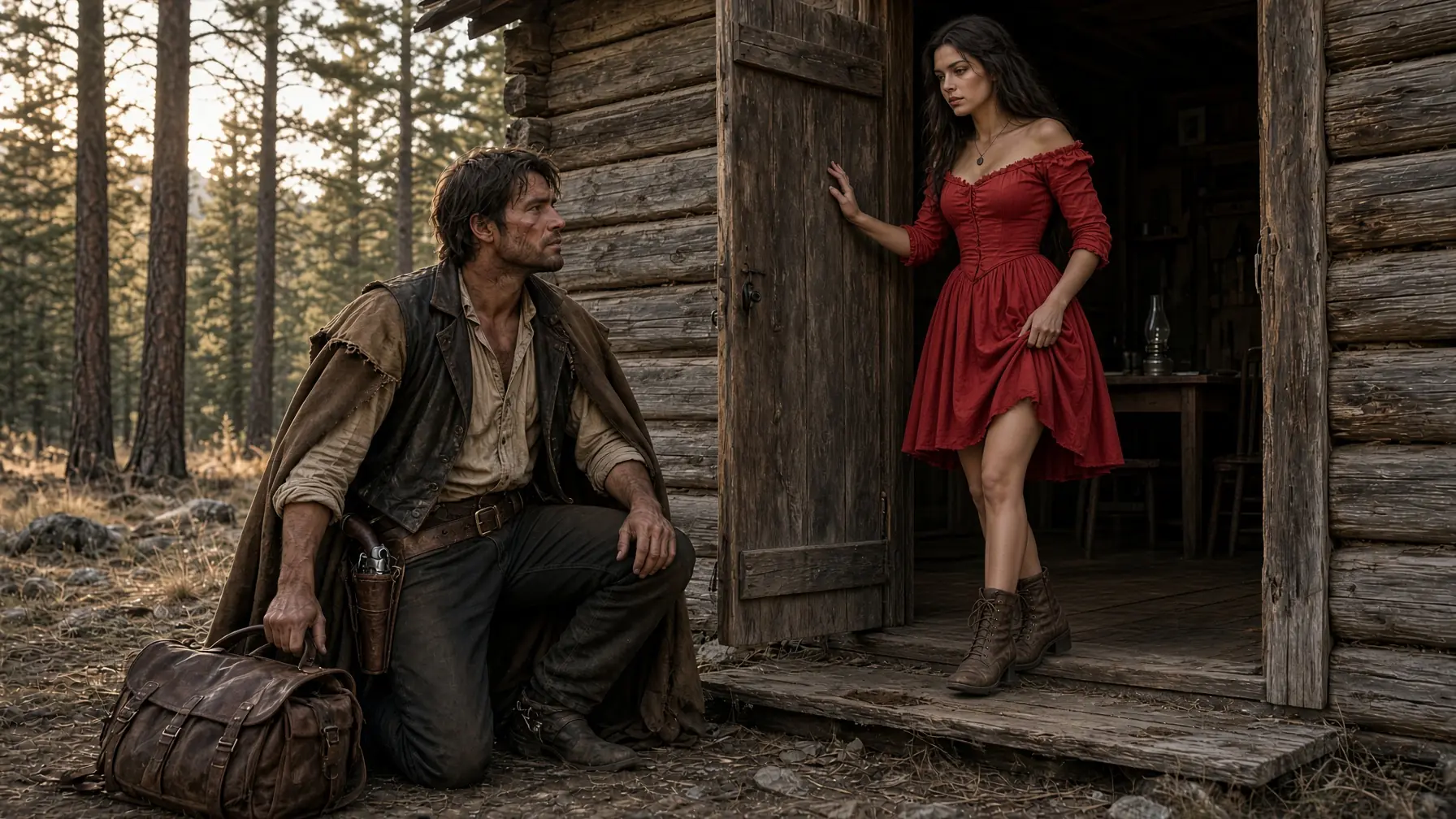
He was a man whittled down by months on a solitary trap line, lean as a rail, with eyes the color of flint that moved constantly, scanning rooftops and alleyways with the habit of a man who expected trouble to find him. Jonah did not like towns. He did not like the noise of them, the clatter of carriage wheels on hard-packed mud, or the way people stared at a man who wore buckskins stained with pine pitch and elk blood. But a man could not live on silence alone forever. He needed supplies.
And more than that, he needed land. He was tired of drifting like smoke. He wanted a place where he could close a door and know that the ground beneath his boots belonged to him by law, written out in ink and filed in a ledger where no one could tear it out. He tied his horse at the hitching rail outside the county courthouse. Ignoring the looks from two men in suits who stepped aside as if Jonah carried a plague, he was used to it.
He was a man of the mountains. a creature of the high lonesome. And to the townsfolk, he was something wild and unsettling, a mountain savage who had forgotten how to be civilized. Inside the courthouse, the air was stale and smelled of old paper and cigar smoke. The auction was already underway. A dreary affair presided over by a clerk with ink-stained fingers and a voice that droned like a trapped fly.
A handful of locals stood around, mostly land speculators and cattlemen looking for grazing rights. their boots scraping restlessly on the floorboards. The clerk cleared his throat and adjusted his spectacles. "Item number 42," the clerk read, looking down at the paper with a sneer curling his lip. A cabin and claim on Black Pine Ridge, seized for tax default. 3 years passed.
A ripple of laughter went through the small crowd. Jonah watched them, his face impassive. He knew Black Pine Ridge. It was high country, brutal and unforgiving, buried in snow for 6 months of the year. The trail up was a goat path that washed out every spring.
The clerk looked up, scanning the room. Do I hear a bid for this property? It includes the structure, such as it is, and 20 acres of vertical rock. The room remained silent. A man in a bowler hat spat into a brass cuspidor near Jonah's boot.
"You could not pay me to take that place," the man muttered. It is cursed. Old man who lived there died crazy. And the wind up there screams like a banshee. The clerk sighed, clearly expecting this outcome.
Come now, gentlemen. The timber rights alone must be worth a fiver. Silence stretched out. The clerk raised his gavel. Ready to pass the lot. $1, Jonah said.
His voice was a low rasp, unus to shaping words for other people. The heads of the men in the room turned toward him in unison. The clerk looked over his spectacles, squinting at Jonah standing in the shadows at the back of the room. "1 $1," the clerk repeated, a dry chuckle in his throat. "You represent yourself, sir. " "I do," Jonah said.
He stepped forward, the light from the high windows catching the scar that ran from his jaw into his hairline. A souvenir from a life he tried not to remember. The clerk looked at the other men, inviting them to mock the stranger, but something in Jonah's stillness made the laughter die in their throats. "Very well," the clerk said, sounding bored. "$1 for the Black Pine Ridge parcel. Going once, going twice. " The gavl came down with a sharp crack that sounded like a pistol shot in the quiet room.