On the afternoon of May 2, 2023, Cleveland police received a 911 call from a woman who had just heard a disturbing story from a frightened stranger at a store. The caller said the woman had appeared suddenly, hysterical and scared, and claimed that another woman was being held in a basement somewhere nearby. She did not know whether the story was true, but the fear she had seen seemed genuine enough that she could not ignore it. "I'm not going to be able to sleep tonight knowing that somebody might be tied up," she told the dispatcher.
Officers with the Cleveland Police Department went to the address connected to the report. Music could be heard coming from the rear of the house, but no one answered right away. The officers knocked for roughly three minutes before a man finally responded from inside. Instead of asking calmly why police were there, he immediately told them they could not stay outside his house.
"Bro, y'all can't be here like this," he said. "You can't be here like this, bro."
An officer told him they were simply knocking on the door. The man answered that the police presence was making him "hot" and said he was about to come outside. When he emerged, he continued insisting that the officers leave and asked them to turn off their body cameras. He then made a claim that only created more questions: he said he worked for the police.
"Long story short, I work for you guys," he said. "Please get out."
When officers asked who he worked for, he refused to say. He insisted that he was not allowed to explain and kept saying the officers were making his location too visible. The police told him they had been sent there because of a call and wanted to explain the complaint before leaving. The man remained agitated but eventually asked what the call was about.
Before officers even explained the complaint, he repeatedly asked them to shut off their cameras. They told him body cameras were recording the encounter and that they needed a reason before turning anything off. Delante would later say he feared neighbors, dealers, or anyone connected to the street would see marked police vehicles gathered outside and conclude he was cooperating. To the officers, however, his refusal to explain who he worked for made the claim difficult to evaluate in the moment.
The officers asked whether a white woman in a black coat had been at the house earlier. He immediately denied it. Then they told him the complaint said someone was in the basement and injured. His reaction was immediate.
"Man, y'all got to go," he said. "Y'all got to go."
The more strongly he pushed them away, the more suspicious the officers became. When they told him his reaction was making them uncomfortable, he repeatedly said no and told them again to leave. More officers soon arrived. The man became even more upset when he saw the growing police presence outside the house.
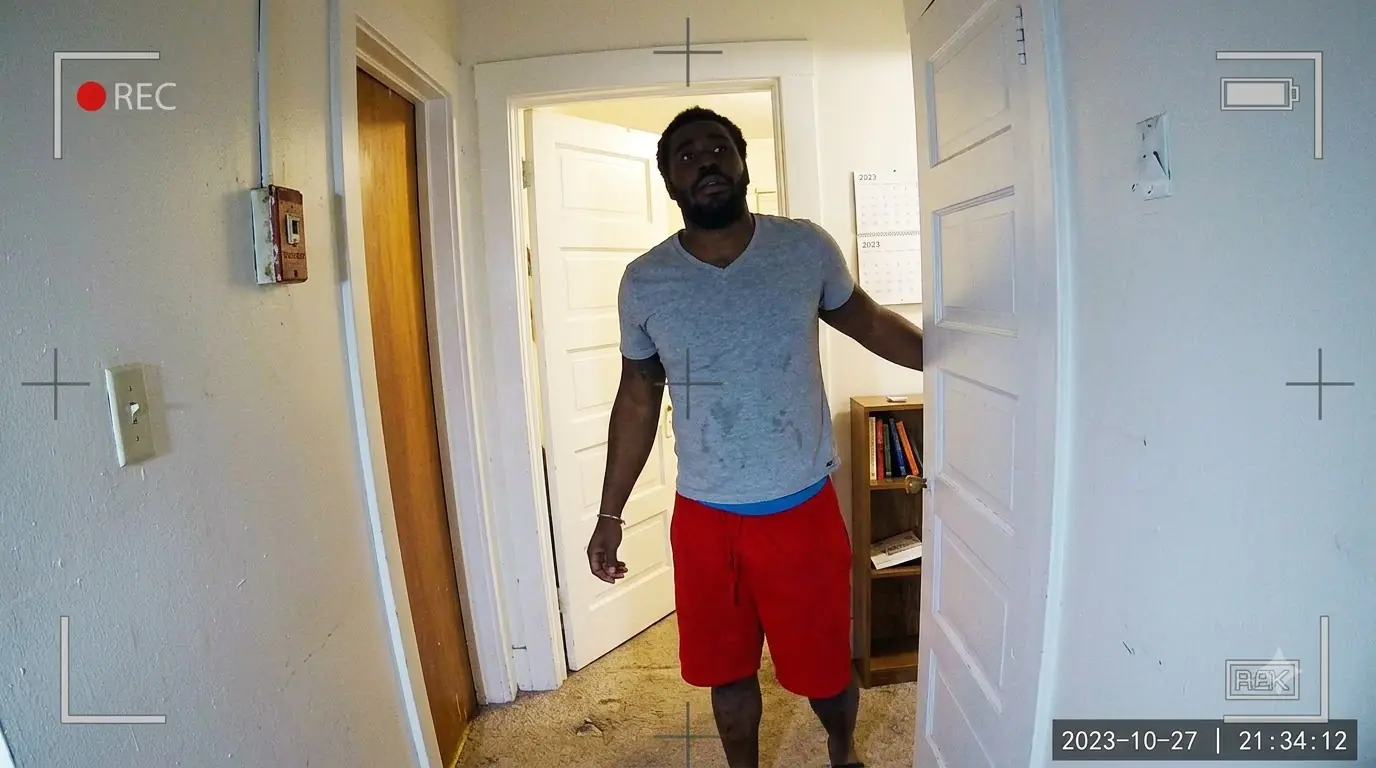
The officers explained the allegation more directly: they had been told a woman might be tied up in the basement. The man said there was nobody tied up downstairs. When police asked if they could look, he refused. Asked why, he answered, "Because I say so."
He also resisted giving his name. Instead, he told them he was a confidential informant and claimed that was all he needed to say. Officers were not satisfied with that explanation. They had been sent to investigate a possible person being held against her will, and the man was simultaneously refusing access, refusing basic identifying information, and insisting that his relationship with law enforcement should end the inquiry.
He eventually invoked the name of Detective Smith from the Second District, saying that the detective knew him and could confirm that he was working with police. An officer said they could call Smith. The man immediately became anxious about that as well, saying his life was on the line and that marked police cars outside the house could get him killed.
Delante insisted Smith would tell them he was not someone who would keep a woman tied up in his basement. The officers pointed out that they had not yet spoken with Smith and could not simply substitute Delante's assurance for a welfare check. Delante said he had spent about an hour with the detective the previous day and had just left a probation appointment, offering those details as proof that he was actively cooperating. He wanted the officers to believe that the very fact they were standing there publicly was more dangerous to him than anything they might find inside.